

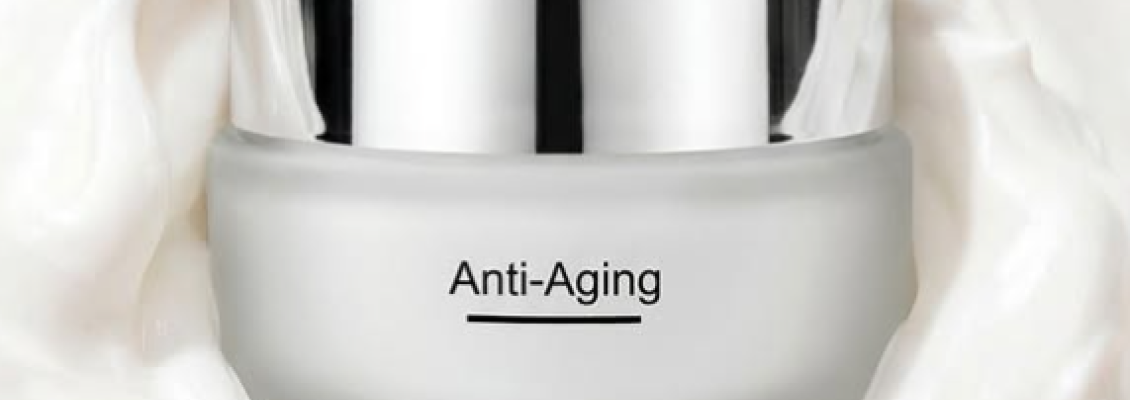
Finding the best anti-aging cream UK often starts with understanding when to begin using it and which ingredients make the most difference. Anti-aging skincare is not only about treating visible signs of aging but also about supporting skin before deeper lines appear. Ingredients such as peptides and hyaluronic acid are widely used because they help maintain hydration and support skin structure.
Preventative skincare helps maintain smoother-looking skin and supports long-term skin comfort.
At What Age Should You Start Using Anti-Aging?
Many people begin preventative anti-aging routines in their late 20s or early 30s. This stage is when collagen production naturally slows, even if visible signs of aging are minimal.
Using an anti-aging cream for 30s helps maintain hydration and supports skin firmness before deeper lines appear. Lightweight creams are often preferred because they absorb easily and fit comfortably into daily routines.
Starting early supports skin resilience and helps maintain a smoother appearance over time.
Do Anti-Ageing Creams Work?
Anti-aging creams can support skin when they contain effective ingredients that focus on hydration and collagen support. Moisture plays an important role in keeping skin looking smooth and comfortable.
Understanding how hydration and collagen support work together is explained in Peptides and Hyaluronic Acid for Visible Anti-Aging Results, where the benefits of combining peptides and hyaluronic acid are explored in detail.
Consistency is important, as improvements usually appear gradually with regular use.
What Do Peptides Do for Skin?
Peptides support the skin by encouraging collagen production, which helps maintain firmness and elasticity. As collagen levels decrease with age, fine lines may become more noticeable.
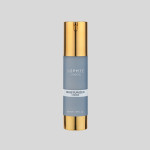
Products such as the Anti-Aging Cream combine peptides with hydrating ingredients to help maintain smoother-looking skin and support long-term skin balance.